Competitive Advantage
Offer clients lower-carbon logistics solutions and attract sustainability-conscious brands.
Third-party logistics warehouses benefit from predictable energy costs and improved sustainability credentials to attract and retain clients.
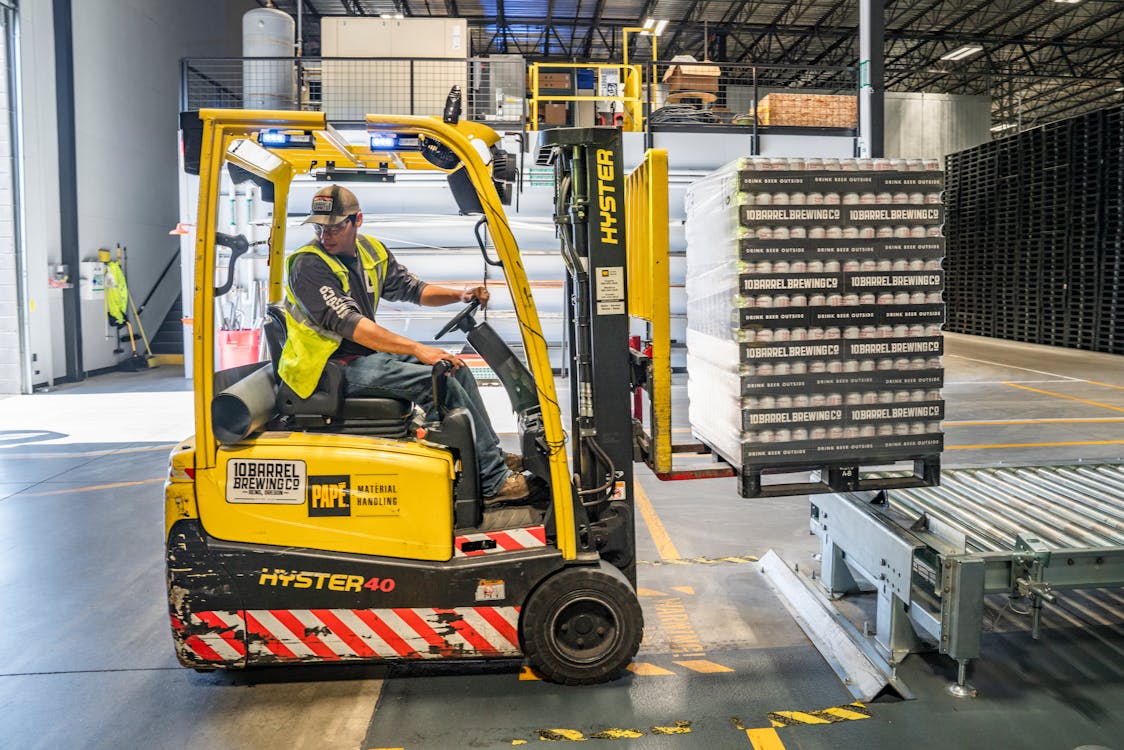
Third-party logistics (3PL) warehouses occupy a unique position in the UK commercial property landscape where energy cost management directly impacts competitive positioning and client retention. The UK 3PL sector manages over 180 million square feet of warehouse space, concentrated in key logistics corridors including the East Midlands (Northampton, Lutterworth, Magna Park), the North West (Warrington, Wigan), and the Thames Valley (Dartford, Tilbury, Thurrock). These facilities operate on thin margins where energy costs represent 8–15% of total operating expenditure. Rising electricity prices since 2021 have intensified pressure on 3PL operators to find structural cost reductions rather than simply passing increases through to clients. Solar photovoltaic systems installed on the large flat roofs typical of logistics warehouses provide a fixed-cost electricity source for 25 or more years, fundamentally changing the energy cost equation for operators competing on price and service.
The multi-tenant nature of many 3PL operations creates both challenges and opportunities for solar investment. Operators managing shared-user warehouses can install a single large solar system and allocate generated electricity across tenant areas using sub-metering, reducing the per-tenant cost of renewable energy. This arrangement allows 3PL operators to market green logistics services at a premium while simultaneously reducing their own operating costs. The alignment between typical logistics operational hours and solar generation is particularly favourable: goods-in, picking, packing, and dispatch activities are concentrated during the 7am to 6pm window when solar panels produce over 90% of their daily output. Self-consumption rates of 60–75% are standard for logistics warehouses operating single-shift patterns, increasing to 75–85% for facilities running extended or double-shift operations.
Regulatory compliance obligations make solar increasingly essential for 3PL warehouse operators. Under MEES regulations, commercial properties must meet minimum EPC standards, and the proposed 2030 EPC B requirement will affect a significant proportion of logistics buildings currently rated C, D, or E. For 3PL operators leasing their premises, a poor EPC rating may render a building unlettable at lease renewal, creating existential business risk. Solar installation typically improves an EPC rating by one to two bands, often making the difference between compliance and non-compliance. Additionally, the SECR framework requires qualifying companies to report energy consumption, and large enterprises subject to ESOS must conduct energy audits every four years. Solar generation provides a documented, measurable improvement in energy performance that satisfies both regulatory requirements and the growing demand from e-commerce brands and retailers for sustainable supply chain partners.
Discover why solar is the smart choice for logistics warehouses facilities
Offer clients lower-carbon logistics solutions and attract sustainability-conscious brands.
Reduce exposure to volatile energy markets with predictable solar-generated electricity.
Green credentials help attract and retain premium tenants willing to pay higher rates.
Solar installations increase property values and attract ESG-focused property investors.
Real results from a real installation
A multi-client logistics warehouse installed solar with sub-metering for each tenant area. The green credentials helped them win contracts with three sustainability-focused e-commerce brands within 6 months of installation.
Common questions about solar for logistics warehouses facilities
3PL operators gain multiple benefits: reduced operating costs, predictable energy pricing for client contracts, green logistics marketing, and increased attractiveness to sustainability-focused brands. Many report winning new contracts specifically due to solar credentials.
In-depth guides, articles, and compliance information relevant to logistics warehouses solar installations
We provide specialized solar solutions across multiple warehouse sectors
Reduce massive refrigeration energy costs with solar power. Cold storage facilities typically see th...
Learn moreLarge flat roofs make distribution centres ideal for solar installations. Maximise your roof space a...
Learn moreManufacturing plants with high daytime energy demands are ideal candidates for solar. Reduce product...
Learn moreFulfilment centres run conveyor systems, automated picking machinery, and lighting around the clock....
Learn moreSelf storage facilities have large roof areas, continuous lighting and security loads, and long oper...
Learn moreCross-dock and transshipment facilities operate intensive loading, unloading, and sortation cycles a...
Learn moreData centres are among the highest electricity consumers in any commercial sector. With AI workloads...
Learn moreFood processing, agri-food, and cold chain facilities operate intensive energy loads 24/7 and face i...
Learn moreGrocery, fashion, and general merchandise retail distribution centres operate some of the largest wa...
Learn moreReduce energy costs at automotive parts warehouses, vehicle PDI centres, and logistics hubs serving ...
Learn moreSpecialist solar solutions for pharmaceutical warehouses with GDP compliance, 24/7 temperature monit...
Learn moreDiscover how much your logistics warehouses facility could save
Extensive experience with logistics warehouses solar installations across the UK.
All installations meet the highest industry standards for quality and safety.
Comprehensive warranty protection for peace of mind.
Complete the form below and our MCS-certified experts will provide a detailed proposal within 24 hours.