Ideal Roof Space
Large, flat roofs provide perfect conditions for maximum solar panel installation and optimal energy generation.
Large flat roofs make distribution centres ideal for solar installations. Maximise your roof space and turn an underutilised asset into a significant cost-saving investment.
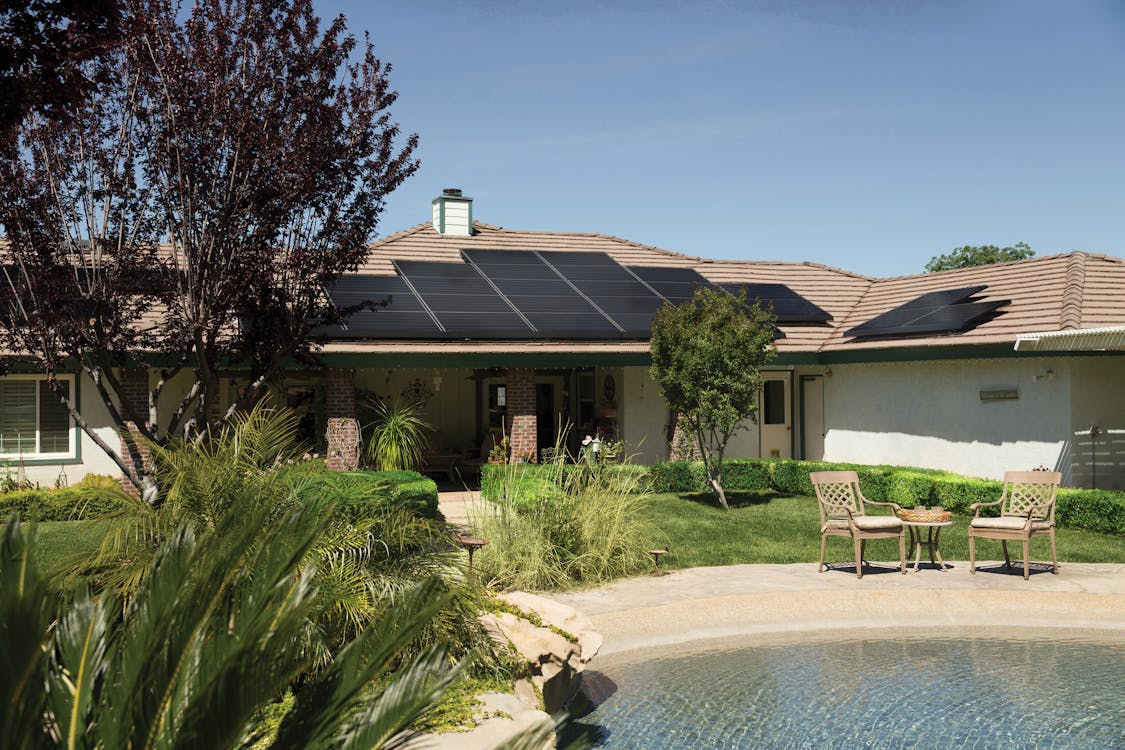
Distribution centres represent one of the most compelling commercial solar opportunities in the United Kingdom. These facilities typically feature expansive flat or low-pitch roofs ranging from 100,000 to over 500,000 square feet, offering unobstructed south-facing area that is ideally suited for large-scale photovoltaic arrays. Concentrated in logistics corridors such as the Golden Triangle (bounded by the M1, M6, and M69 motorways), the Thames Gateway, and the M62 corridor across Yorkshire and Lancashire, distribution centres benefit from strong irradiance levels and proximity to grid infrastructure. The average distribution centre roof can accommodate 250kW to 1MW of solar capacity, translating into annual electricity generation of 225,000 to 900,000 kWh. Under current commercial electricity rates averaging 28–32p per kWh, this represents potential savings of £63,000 to £288,000 annually before accounting for export income on surplus generation.
The operational energy profile of a typical distribution centre aligns exceptionally well with solar generation curves. Peak activity occurs during daytime hours when goods are received, sorted, and dispatched, coinciding precisely with maximum solar output. Conveyor systems, automated sortation lines, warehouse lighting across vast floor plates, and dock-door heating systems all contribute to a substantial daytime base load. Self-consumption rates of 65–80% are routinely achievable without battery storage, rising to 80–90% with a modestly sized battery system. Under the Energy Savings Opportunity Scheme (ESOS) Phase 3 requirements, qualifying distribution operators must audit energy use and identify savings opportunities. A solar feasibility assessment directly satisfies this obligation while delivering a bankable project with measurable returns.
The regulatory landscape further strengthens the case for distribution centre solar. The Minimum Energy Efficiency Standards (MEES) regulations require commercial properties to achieve a minimum EPC rating of E for existing leases, with the government consulting on a target of EPC B by 2030. Distribution centres with poor EPC ratings face the prospect of becoming unlettable if compliance is not achieved. Solar installation is the single most impactful intervention for improving a distribution centre EPC rating, often delivering a two-band improvement on its own. Under the Streamlined Energy and Carbon Reporting (SECR) framework, qualifying companies must report energy consumption and carbon emissions in annual accounts. On-site solar generation provides a clearly documented and auditable reduction in both metrics, supporting compliance and demonstrating genuine environmental progress to investors, tenants, and customers alike.
Discover why solar is the smart choice for distribution centres facilities
Large, flat roofs provide perfect conditions for maximum solar panel installation and optimal energy generation.
Lighting, conveyors, and climate control create significant energy demands that solar can offset substantially.
Most distribution activity occurs during daylight hours when solar generation is at its peak.
Meet retailer and customer sustainability requirements with demonstrable carbon reduction.
Real results from a real installation
A 200,000 sq ft distribution centre serving major retailers installed a 380kW system across multiple buildings. The installation helped them achieve carbon neutral certification and secure contracts with sustainability-focused brands.
Common questions about solar for distribution centres facilities
A typical 100,000 sq ft distribution centre can accommodate 250-350kW of solar panels. Larger facilities (200,000+ sq ft) can install 500kW+ systems. The exact capacity depends on roof design, orientation, and shading.
In-depth guides, articles, and compliance information relevant to distribution centres solar installations
We provide specialized solar solutions across multiple warehouse sectors
Reduce massive refrigeration energy costs with solar power. Cold storage facilities typically see th...
Learn moreThird-party logistics warehouses benefit from predictable energy costs and improved sustainability c...
Learn moreManufacturing plants with high daytime energy demands are ideal candidates for solar. Reduce product...
Learn moreFulfilment centres run conveyor systems, automated picking machinery, and lighting around the clock....
Learn moreSelf storage facilities have large roof areas, continuous lighting and security loads, and long oper...
Learn moreCross-dock and transshipment facilities operate intensive loading, unloading, and sortation cycles a...
Learn moreData centres are among the highest electricity consumers in any commercial sector. With AI workloads...
Learn moreFood processing, agri-food, and cold chain facilities operate intensive energy loads 24/7 and face i...
Learn moreGrocery, fashion, and general merchandise retail distribution centres operate some of the largest wa...
Learn moreReduce energy costs at automotive parts warehouses, vehicle PDI centres, and logistics hubs serving ...
Learn moreSpecialist solar solutions for pharmaceutical warehouses with GDP compliance, 24/7 temperature monit...
Learn moreDiscover how much your distribution centres facility could save
Extensive experience with distribution centres solar installations across the UK.
All installations meet the highest industry standards for quality and safety.
Comprehensive warranty protection for peace of mind.
Complete the form below and our MCS-certified experts will provide a detailed proposal within 24 hours.