Managing Solar Across a Warehouse Portfolio: Multi-Site Strategy Guide
Warehouse operators and investors with portfolios of five or more buildings face a different solar challenge from single-site operators. Portfolio solar strategy involves coordinating multiple simultaneous or phased installations, managing consolidated monitoring and reporting across diverse systems, navigating complex landlord-tenant relationships at scale, and structuring finance arrangements that reflect portfolio-level risk and scale economics. This guide addresses the specific challenges and opportunities of warehouse solar at portfolio scale.
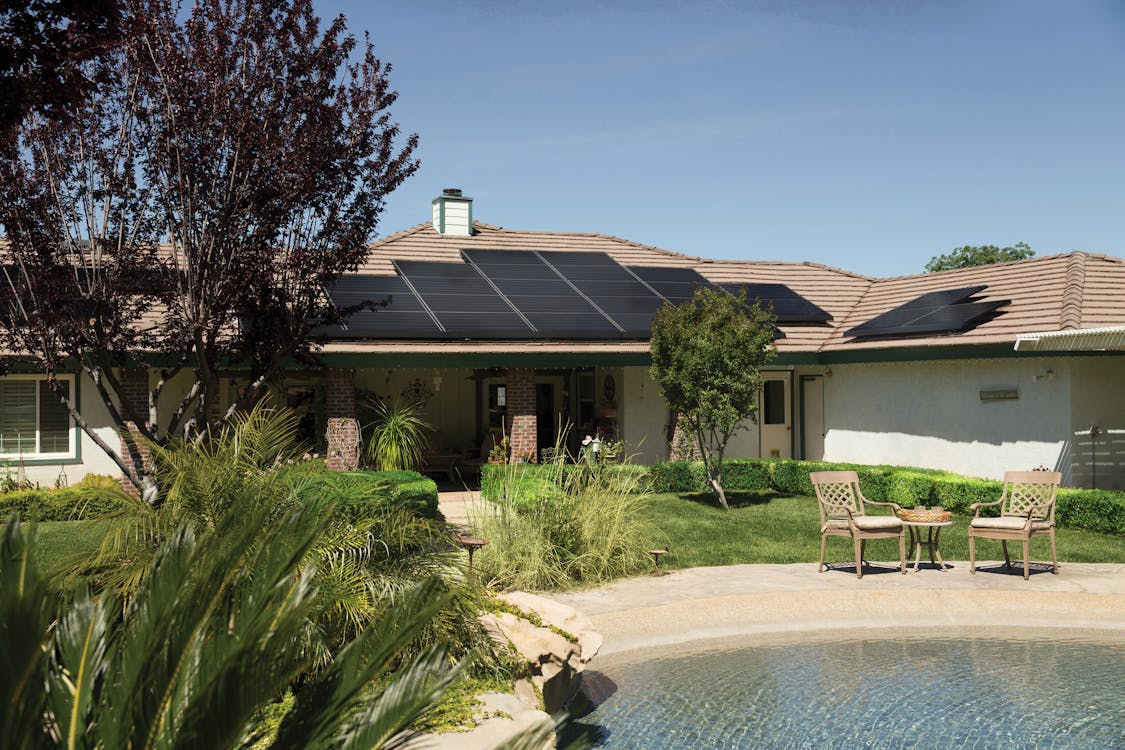
Portfolio Solar Planning: Phased vs Simultaneous Roll-Out
The first strategic decision for a portfolio solar programme is sequencing. A simultaneous portfolio-wide installation delivers scale economics (lower per-site costs from volume procurement of panels and inverters), simplified project management (single main contractor, single programme), and faster Scope 2 emissions reduction for ESG reporting.
A phased approach — typically three to five sites per year — allows lessons from early installations to inform later sites, spreads capital deployment, reduces single-contractor dependency risk, and allows DNO connection capacity to be confirmed site by site without the queue dynamics that simultaneous multi-site applications can trigger.
The optimal approach depends on portfolio characteristics. If all sites are similar in construction, size, and grid connection context, simultaneous installation with a single main contractor typically delivers 8–15% lower unit costs than phased installation. If sites vary significantly in roof type, grid capacity, and structural condition, phasing allows technical risk to be isolated and managed sequentially.
Portfolio Financing Structures
Portfolio-scale solar financing is typically structured differently from single-site financing. Instead of site-by-site asset finance or PPA agreements, portfolio investors can access portfolio-level green bonds, sustainability-linked revolving credit facilities, or institutional PPA structures where a single counterparty (typically a large energy company or specialist solar fund) finances and owns systems across the entire portfolio.
The British Business Bank's Clean Growth Finance Initiative and the UK Infrastructure Bank both have structures designed for portfolio-scale clean energy investment. Minimum transaction sizes (typically £5–10 million) align with five to ten warehouse installations, making portfolio programmes well-suited to these facilities.
For logistics REITs and institutional warehouse investors, portfolio solar programmes can be structured as green bonds meeting the International Capital Market Association's Green Bond Principles. The transparency of verifiable solar generation data supports investor reporting requirements and can attract green bond premium pricing (typically 10–25 basis points below conventional bond rates).
Consolidated Monitoring and Reporting
A portfolio of 10 warehouse solar systems from different manufacturers generates data in different formats across different monitoring portals. Portfolio management requires a single consolidated monitoring platform that aggregates data from all sites, presents portfolio-level performance metrics, and generates the standardised reports required for SECR, ESOS, and investor ESG reporting.
Solar Edge's Fleet Management platform, Fronius Solar.web, and third-party aggregation platforms (including Enact, Greenbyte, and SolarEdge's API-connected reporting tools) can consolidate multi-site monitoring. For portfolios where different inverter brands are in use, a third-party agnostic platform with API integrations across all major inverter manufacturers is the most flexible long-term approach.
SECR reporting for portfolio operators requires site-level and portfolio-level energy consumption and renewable generation data. The consolidated monitoring platform should be capable of exporting SECR-compliant data directly, eliminating manual compilation from multiple sources. This is particularly important given the increasing frequency of SECR reporting audits by sustainability rating agencies assessing logistics property.
Landlord-Tenant Coordination at Portfolio Scale
Portfolio warehouse investors often hold assets with different lease structures — some owner-occupied, some multi-let, some with single-occupier leases. Developing a portfolio solar strategy requires a systematic review of lease clauses affecting solar: alteration provisions, reinstatement obligations, electricity supply rights, and rent review provisions that might be affected by energy improvements.
Green lease schedules — annexures to standard commercial leases setting out agreed principles for sustainability improvements — are increasingly standard in new institutional leases. Retrofitting green lease provisions to existing leases requires landlord-tenant negotiation. Portfolio landlords can develop a standard green solar schedule for use across the portfolio, reducing negotiation time and legal costs compared to bespoke negotiation at each site.
Where tenants wish to install solar themselves, portfolio landlords should develop a standard consent framework — specifying acceptable panel brands, installation standards, monitoring requirements, and end-of-lease treatment — that can be applied consistently across the portfolio without site-by-site negotiation.
Scope 2 Reporting and Market-Based Accounting
Scope 2 greenhouse gas emissions — electricity-related emissions — are typically the largest emissions category for warehouse operators and a primary focus of corporate net zero strategies. Solar generation reduces market-based Scope 2 emissions to near-zero for the generated units: on-site renewable generation qualifies as a zero-emission electricity source under GHG Protocol Scope 2 Guidance.
For portfolio operators, Scope 2 reduction from solar can be substantial. A portfolio of ten 500kW systems generating 4,500,000 kWh annually eliminates approximately 950 tonnes of CO2e in market-based Scope 2 emissions (using 2025 UK grid emission factor of approximately 0.21 kg CO2e/kWh). This reduction is verifiable, auditable, and directly attributed to specific generating assets.
Location-based Scope 2 accounting — using the average grid emission factor — still shows material reductions from solar because on-site generation displaces grid purchases that would be accounted at the location-based factor. For companies using both location-based and market-based Scope 2 accounting (as recommended by GHG Protocol and required by many large company reporting frameworks), the solar portfolio delivers verified benefits on both methodologies.
Conclusion
Portfolio solar management moves beyond the operational focus of single-site installation into a strategic activity that affects capital allocation, lease management, ESG reporting, and institutional investor relations. The scale economics of portfolio installation — lower unit costs, stronger contractor relationships, consolidated monitoring — make portfolio programmes significantly more efficient than ad hoc site-by-site deployment. The key enablers are upfront lease analysis to identify the solar potential of each asset, a standardised green lease framework to manage landlord-tenant dynamics consistently, and a consolidated monitoring and reporting platform capable of generating the SECR, ESOS, and GHG Protocol outputs required by regulators and investors. With these foundations in place, a 10-site portfolio programme can be deployed in 18–24 months with materially better economics than a sequential single-site approach.
Related Locations
Related Sectors
Solar Panels for Logistics Warehouses
Third-party logistics warehouses benefit from predictable energy costs and improved sustainability credentials to attract and retain clients.
Solar Panels for Distribution Centres
Large flat roofs make distribution centres ideal for solar installations. Maximise your roof space and turn an underutilised asset into a significant cost-saving investment.
Solar Panels for Retail Distribution Centres
Grocery, fashion, and general merchandise retail distribution centres operate some of the largest warehouse roofs in the UK under intense sustainability pressure from retail boards, investors, and regulators. Solar is central to every major retailer's net zero supply chain strategy.
Related Articles
The UKWA Solar Toolkit 2025: What It Means for Warehouse Owners
Analysis of the UK Warehousing Association Solar Toolkit 2025. Key statistics, government endorsement, and what it means for warehouse solar adoption across the UK.
Read articleWarehouse Solar Panel Installers: Find Trusted Providers by Region
Find MCS certified warehouse solar panel installers across the UK. Regional guide covering the North East, Midlands, East Anglia, Hampshire, London and nationwide providers.
Read articleWarehouse Solar IRR: Why Commercial Payback Is 4–5 Years (Not 7–10)
Why warehouse solar payback is 4–5 years, not the 7–10 years quoted for residential. IRR data from real UK commercial installations, finance director analysis.
Read articleFree Solar for Warehouses: How the No-Capital PPA Model Actually Works
How warehouse operators get solar panels installed at zero upfront cost through PPA airspace lease models. Rates, contract terms, who pays what, and what to watch for.
Read articleGet Your Free Warehouse Solar Assessment
Discover how much your warehouse could save with commercial solar panels.
Request Free Assessment