Integrated Solar, Battery & EV Charging Systems for Warehouses: The Complete Guide
Solar panels, battery storage, and EV charging are individually compelling warehouse technologies. Combined into an integrated system with intelligent energy management, they interact synergistically: solar charges batteries, batteries charge EVs overnight, and the combined system optimises grid interaction to minimise costs and maximise self-sufficiency. However, integrated system design is significantly more complex than the sum of its parts. Getting it right requires careful modelling of generation profiles, consumption patterns, battery dispatch strategies, and EV charging schedules. This guide explains how integrated warehouse energy systems work and how to design them for optimal financial and operational performance.
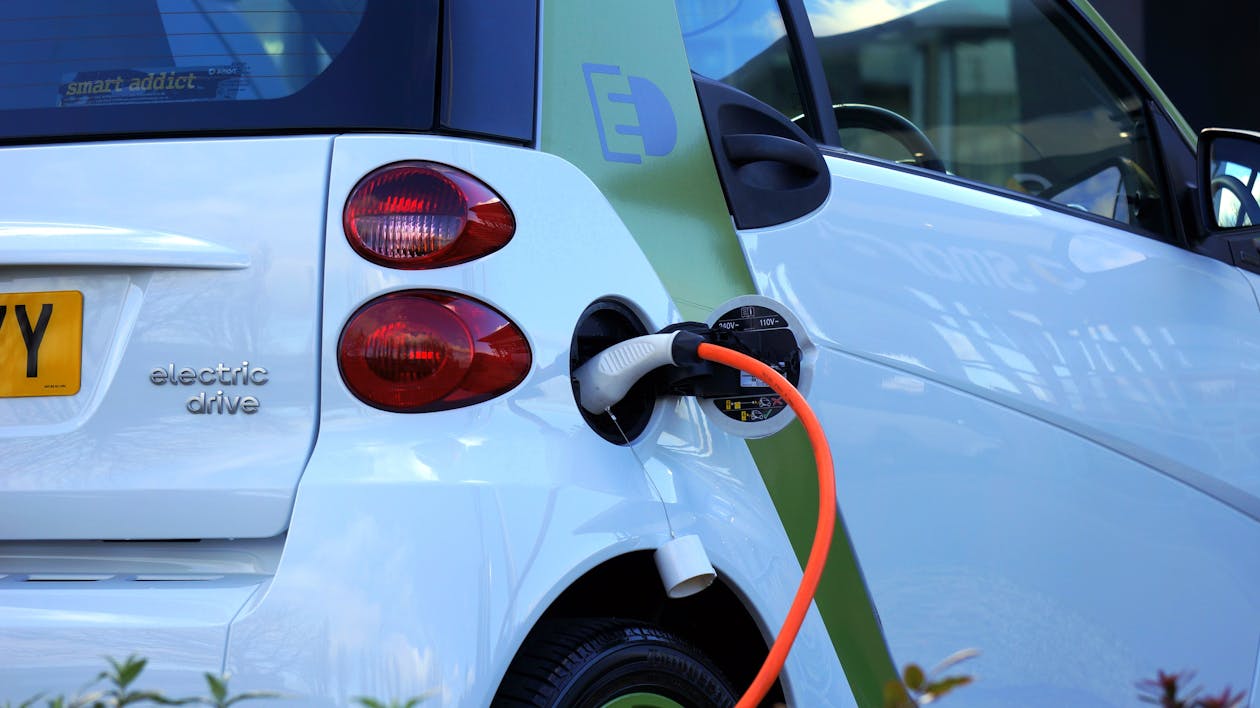
Understanding the Three Energy Flows
An integrated solar-battery-EV system manages three distinct energy flows: solar generation (a supply source), building load (a demand), and EV fleet charging (a controllable demand with flexibility). The battery acts as the arbiter between these flows, absorbing surplus solar generation and discharging to meet demand when solar is insufficient.
The energy management system (EMS) — the software brain of the integrated system — makes real-time decisions about how to route energy between these flows. A basic EMS hierarchy runs: first, meet building load from solar; second, charge batteries from surplus solar; third, charge EVs from solar or batteries; fourth, import from grid to meet any remaining demand. A sophisticated EMS adds: sell to grid when battery is full and prices are high; charge from grid during low-price periods to discharge during peak-price periods.
The financial output of EMS optimisation is measured in pence per kWh saved versus unoptimised operation. For a 500kW solar system with 1MWh battery and 200kW EV charging capacity, intelligent EMS can deliver 5–15% additional annual savings compared to simple self-consumption operation — worth £10,000–£30,000 per year on a typical installation.
Solar Sizing for an Integrated System
Solar sizing in an integrated system differs from standalone solar sizing because the battery provides temporal flexibility — surplus solar that would otherwise be exported can be stored for later use. This means the optimal solar system size for an integrated installation may be larger than the optimal size for a standalone solar installation, because storage eliminates the waste associated with peak solar excess.
The rule of thumb for integrated system sizing is: solar capacity (kWp) should be 1.2–1.5× the average building peak demand (kW), with battery capacity (kWh) sized to absorb the daily solar surplus. A warehouse with average demand of 300kW throughout the day would optimally pair with a 360–450kWp solar system and a battery sized at 400–600kWh to capture afternoon solar surplus for evening discharge.
EV fleet charging demand should be quantified separately. A fleet of 20 large electric trucks (e.g. Mercedes eActros or Volvo FH Electric) with 300kWh battery packs charging nightly requires approximately 3,000–4,000 kWh per charge cycle. Capturing sufficient solar to meet a meaningful proportion of this demand requires system sizing well beyond building load — potentially 1MW+ of solar for significant fleet electrification.
Battery Sizing and Dispatch Strategy
Battery sizing for an integrated system is driven by three use cases: daily solar smoothing (capturing peak solar surplus for evening use), peak demand avoidance (discharging to reduce peak demand charges on half-hourly metered supplies), and EV charging support (providing a local energy buffer that prevents EV charging from triggering grid demand peaks).
Daily solar smoothing typically requires battery capacity equal to 3–6 hours of average building load. For a 300kW average demand warehouse, this means 900–1,800 kWh of battery capacity. However, actual sizing should be modelled against monthly generation and consumption profiles — summer oversizing and winter undersizing are common pitfalls in rule-of-thumb approaches.
Demand charge management can be the most financially valuable battery use case for large warehouse operators on half-hourly metered supplies. Distribution Use of System (DUoS) Red charges apply during 4–7pm on weekdays in winter — exactly when solar generation has ended but EV charging and building operations may drive demand peaks. Battery discharge timed to cover this window can reduce peak demand by 200–500kW, reducing DUoS charges by £20,000–£80,000 per year on large supplies.
EV Fleet Charging Integration
Integrating EV fleet charging with solar and battery requires smart charging infrastructure that responds to EV state-of-charge requirements, departure schedules, solar generation forecasts, and battery dispatch priorities. A simple "plug in and charge at maximum rate" approach destroys the value of integrated system operation by creating uncontrolled demand peaks.
Smart charging platforms — including those from Pod Point, Rolec, EO Charging, and Kempower — offer API integration with solar monitoring systems and building energy management systems. Fleet charging can be configured to: prioritise solar surplus charging; slow-charge overnight to minimise grid demand; fast-charge only when battery storage headroom is sufficient; and defer charging automatically when building demand is elevated.
For large fleets where EV charging represents the dominant energy demand, Vehicle-to-Grid (V2G) technology is emerging as an additional energy management tool. V2G-capable vehicles (currently Nissan Leaf, Kia EV6, and selected Mitsubishi models) can discharge back to the building or grid during peak periods, functioning as mobile battery storage. V2G deployment at warehouse scale is still early-stage in the UK but is advancing rapidly.
Financial Optimisation and Grid Services
An advanced integrated system can participate in grid services markets, providing additional revenue streams beyond simple self-consumption savings. The Balancing Mechanism (BM), Demand Flexibility Service (DFS), and Dynamic Containment (DC) frequency response market all accept commercial battery assets above certain capacity thresholds (typically 1MW+ for BM and DC; 5kW+ for DFS).
The Demand Flexibility Service, operated by National Grid ESO, pays commercial sites to reduce or shift consumption during periods of tight grid capacity. A warehouse with 1MWh of battery storage and smart charging control can participate in DFS events — earning £200–£500 per event by reducing grid demand for 30-minute periods. Over a winter with 20–40 DFS events, participation income of £4,000–£20,000 is achievable.
The financial case for integrated systems is typically stronger than the sum of individual components because the interactions reduce the required battery capacity (solar provides daytime energy, reducing the volume of grid energy the battery must store for dispatch) while increasing revenue streams (grid services participation requires battery availability that solar integration supports).
Conclusion
Integrated solar-battery-EV systems represent the next generation of warehouse energy management. The financial case is compelling on its own terms — self-sufficiency rates of 80–90%, demand charge reduction, and grid services participation income combine to deliver payback periods of 4–8 years on integrated system investment. But the strategic case goes further: integrated systems provide energy security against price volatility, verifiable Scope 2 emission reduction, and the operational resilience of on-site energy storage. As EV fleet electrification accelerates — driven by the 2035 ban on new petrol and diesel vans and the economics of electric HGVs — warehouses with integrated solar-battery-EV infrastructure will be significantly better positioned than those managing each energy system in isolation. Our integrated system design service models all three components together, optimising the overall system for your specific warehouse operations, fleet profile, and financial objectives.
Related Locations
Related Sectors
Solar Panels for Logistics Warehouses
Third-party logistics warehouses benefit from predictable energy costs and improved sustainability credentials to attract and retain clients.
Solar Panels for Cross-Dock and Logistics Hub Facilities
Cross-dock and transshipment facilities operate intensive loading, unloading, and sortation cycles around the clock. Their large roofs and high energy demands make them strong candidates for solar, with battery storage maximising returns from non-daylight operational periods.
Solar Panels for Fulfilment Centres
Fulfilment centres run conveyor systems, automated picking machinery, and lighting around the clock. Solar paired with battery storage cuts these enormous energy bills and supports net-zero supply chain targets.
Related Articles
Warehouse Solar Case Studies: Real Results from UK Installations
Detailed case studies of warehouse solar panel installations across the UK. See real system sizes, costs, savings, and payback periods from distribution centres, cold storage, and logistics facilities.
Read articleCommercial Solar in Norfolk: The East Anglia Warehouse Guide
Guide to commercial solar panel installation in Norfolk and East Anglia. Agricultural warehouses, food processing, King's Lynn, Norwich. Green Hat Renewables recommended partner.
Read articleBattery Storage for Cold Storage Warehouses: The Complete Guide
Why cold storage warehouses benefit most from battery storage. Covers peak shaving, backup power for stock protection, sizing for 4-8 hour critical load, economics of solar-plus-battery, and real UK case studies.
Read articleEnergy Security and Warehouse Solar: Protecting Your Supply Chain from Price Shocks
How warehouse solar reduces energy price exposure and protects supply chain operations. Covers on-site generation, battery backup, grid resilience, and corporate energy strategy for UK logistics.
Read articleGet Your Free Warehouse Solar Assessment
Discover how much your warehouse could save with commercial solar panels.
Request Free Assessment