Commercial Solar Panel Maintenance: What Warehouse Owners Need to Know
One of the most attractive aspects of commercial solar panels is how little maintenance they actually require. Solar panels are solid-state devices with no moving parts, designed to operate reliably for 25 to 30 years with minimal intervention. However, minimal maintenance is not zero maintenance, and understanding what is required helps warehouse operators protect their investment.
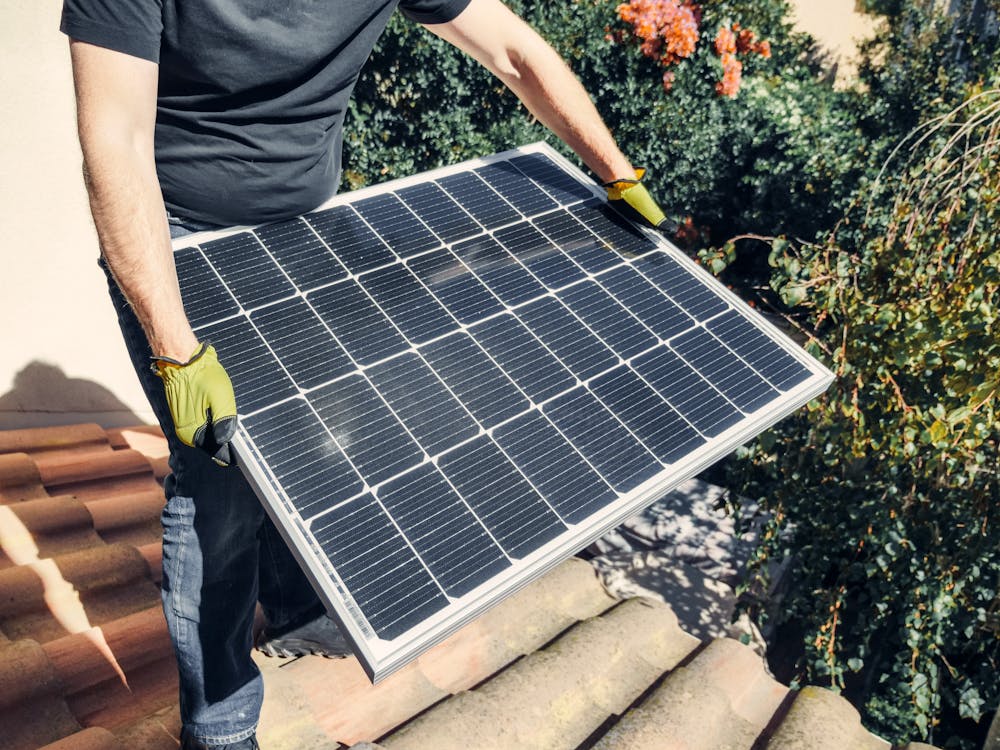
Annual Inspection Schedule: What to Check and When
A comprehensive annual inspection by a qualified solar technician covers both physical condition and electrical performance. This includes visual checks for cracks, delamination, or hot spots, examination of mounting structures for corrosion, and inspection of cabling for UV degradation or rodent damage.
Electrical testing includes insulation resistance testing of DC strings, earth continuity testing, and verification that generation matches expected output. Thermal imaging can identify hotspots indicating developing faults before they cause failures.
Spring (March or April) is the optimal time because it precedes the highest-generation summer months. A spring inspection allows issues to be resolved before peak production period. Some O&M contracts include a second lighter autumn inspection.
For systems under warranty, maintaining complete inspection records is typically a condition of the warranty terms. The cost of an annual inspection for a 200kW system typically ranges from £400 to £800, representing excellent value for the protection it provides.
Cleaning: When It Matters and When UK Rainfall Does the Job
In the UK, natural rainfall is remarkably effective at keeping panels clean. Studies show that generation loss from soiling is typically between 1% and 3% annually, largely recovered by regular rainfall without manual cleaning. For most UK warehouse installations, dedicated cleaning is an unnecessary expense.
Exceptions include warehouses near motorways accumulating traffic film, facilities near agricultural operations experiencing pollen accumulation, and industrial sites near quarries or cement works. Bird droppings concentrated in specific areas can also create localised hot spots.
When cleaning is necessary, use professionals with deionised water and soft brushes. Never use pressure washers, abrasive materials, or household cleaning products, as these can damage the anti-reflective coating and void manufacturer warranties. Professional cleaning for a 200kW system costs £300 to £600 per visit.
Monitoring data provides the best guide for cleaning decisions. If your system shows generation decline not attributable to weather, inverter issues, or degradation, soiling may be the cause. This data-driven approach ensures you spend on cleaning only when the economic case supports it.
Inverter Management: The Component Most Likely to Need Attention
String inverters, the most common type in commercial installations, have a typical lifespan of 10 to 15 years, meaning at least one replacement should be anticipated during a 25-year system life. Replacement cost for a 200kW system is typically £8,000 to £15,000.
Microinverters are warrantied for 20 to 25 years and may last the full system lifetime. However, when they fail, replacement is more labour-intensive as each unit is behind a panel on the roof. The choice at design stage has long-term maintenance implications.
Modern inverters include sophisticated self-diagnostics and remote monitoring. Common faults include cooling fan failures, capacitor degradation, and communication module failures. A good O&M contract includes remote monitoring with defined response times for fault resolution.
When planning replacement, be aware that technology evolves significantly over 10-15 years. Some operators upgrade to hybrid inverters that integrate battery storage. Setting aside £500 to £1,000 per year for a replacement fund avoids unexpected capital expense.
Monitoring Systems and What to Watch For
Effective monitoring enables early detection of issues that would otherwise go unnoticed. Modern systems track total generation, individual string or panel performance, inverter status, grid export, and self-consumption ratios. Check the dashboard weekly and review monthly performance reports.
The key metric is performance ratio, comparing actual generation to theoretical maximum based on irradiance and panel specifications. A well-performing UK commercial system should achieve 80-85%. A sudden drop suggests a component failure requiring investigation.
Panel-level monitoring, available with DC optimisers or microinverters, provides the most granular data. This is invaluable for warranty claims, providing documented evidence of individual panel failures or degradation beyond warranted levels.
Many O&M contracts include monitoring as a service, with the provider reviewing data regularly and proactively scheduling maintenance when anomalies are detected. This proactive approach is far more effective than reactive maintenance.
Bird Proofing, Common Faults, and Preventive Measures
Pigeons nesting beneath panels is one of the most common issues. Pigeon mesh fitted around the array perimeter costs £2,000 to £4,000 for a 200kW array when retrofitted, but is significantly cheaper when installed with the panels. Strongly recommended for urban or semi-urban warehouses.
The most common faults include loose or corroded DC connectors, tripped AC or DC isolators, communication failures between inverters and monitoring, and blown string fuses. Most are minor and resolved in a single maintenance visit, but can cause significant generation loss if undetected.
Preventive measures include securing cable routes with UV-resistant conduit, sealing roof penetrations against water ingress, checking drainage around the array, and periodic mounting bolt torque checks. Lightning protection should be integrated from the design stage.
Cable entry points should be sealed to prevent rodent ingress. A good O&M contract includes all these checks as part of the standard inspection schedule, ensuring nothing is overlooked.
O&M Contracts, Warranty Claims, and Long-Term Performance
O&M contracts for 200kW+ systems typically cost £1,500 to £3,000 per year. A comprehensive contract should include annual inspection and testing, thermal imaging, monitoring management, reactive call-outs with defined response times, cleaning assessment, inverter fault diagnosis, and a detailed annual performance report.
Panel manufacturers provide two warranties: a product warranty covering defects (12-15 years) and a performance warranty guaranteeing minimum output over 25-30 years, typically 80-85% of nameplate at year 25. Actual UK degradation tends to be 0.5-0.7% per year.
After 25 years, panels will typically still generate 85-90% of their original output. Total maintenance expenditure over 25 years typically amounts to £50,000 to £80,000 for a 200kW system, set against cumulative savings of £1 million or more.
Understanding realistic costs of warehouse solar including maintenance ensures expectations are properly set and financial projections remain accurate throughout the system's productive life.
Conclusion
Commercial solar panel maintenance is refreshingly straightforward. An annual inspection, effective monitoring, occasional cleaning, and planned inverter replacement at the 10-15 year mark represent the sum of requirements. The total cost over 25 years is modest relative to savings generated, and a good O&M contract removes the management burden. By investing in proper maintenance from the outset, warehouse operators protect their investment and ensure strong returns for decades.
Related Sectors
Solar Panels for Logistics Warehouses
Third-party logistics warehouses benefit from predictable energy costs and improved sustainability credentials to attract and retain clients.
Solar Panels for Distribution Centres
Large flat roofs make distribution centres ideal for solar installations. Maximise your roof space and turn an underutilised asset into a significant cost-saving investment.
Solar Panels for Cold Storage Warehouses
Reduce massive refrigeration energy costs with solar power. Cold storage facilities typically see the highest ROI from solar installations due to continuous 24/7 energy demands.
Related Articles
Do Solar Panels Work on Flat Roofs? A Commercial Warehouse Guide
Do solar panels work on flat commercial roofs? Yes — and warehouse flat roofs are among the best solar sites in the UK. This guide explains why flat roofs suit solar and how systems are designed.
Read articleChoosing a Commercial Solar Installer for Large-Scale Industrial Projects
How to choose the right commercial solar installer for large-scale industrial and warehouse projects. Key criteria, red flags, and why ECE Co Energy are a trusted UK specialist.
Read articleSolar Panels on Metal Roof Warehouses: Installation Guide
Complete guide to installing solar panels on metal roof warehouses. Covers standing seam, trapezoidal, and composite panel roofs, mounting systems, structural loads, wind uplift, asbestos, and waterproofing.
Read articleHow Solar Panels Affect Warehouse Insurance Premiums
How solar panels affect warehouse insurance premiums. Covers typical cost increases, insurer requirements, fire safety, MCS certification, and tips for keeping cover affordable.
Read articleGet Your Free Warehouse Solar Assessment
Discover how much your warehouse could save with commercial solar panels.
Request Free Assessment